2026-09-19 · Mark Jensen
Why Johnstown Water Heaters Struggle Once Overnight Lows Hit the Teens
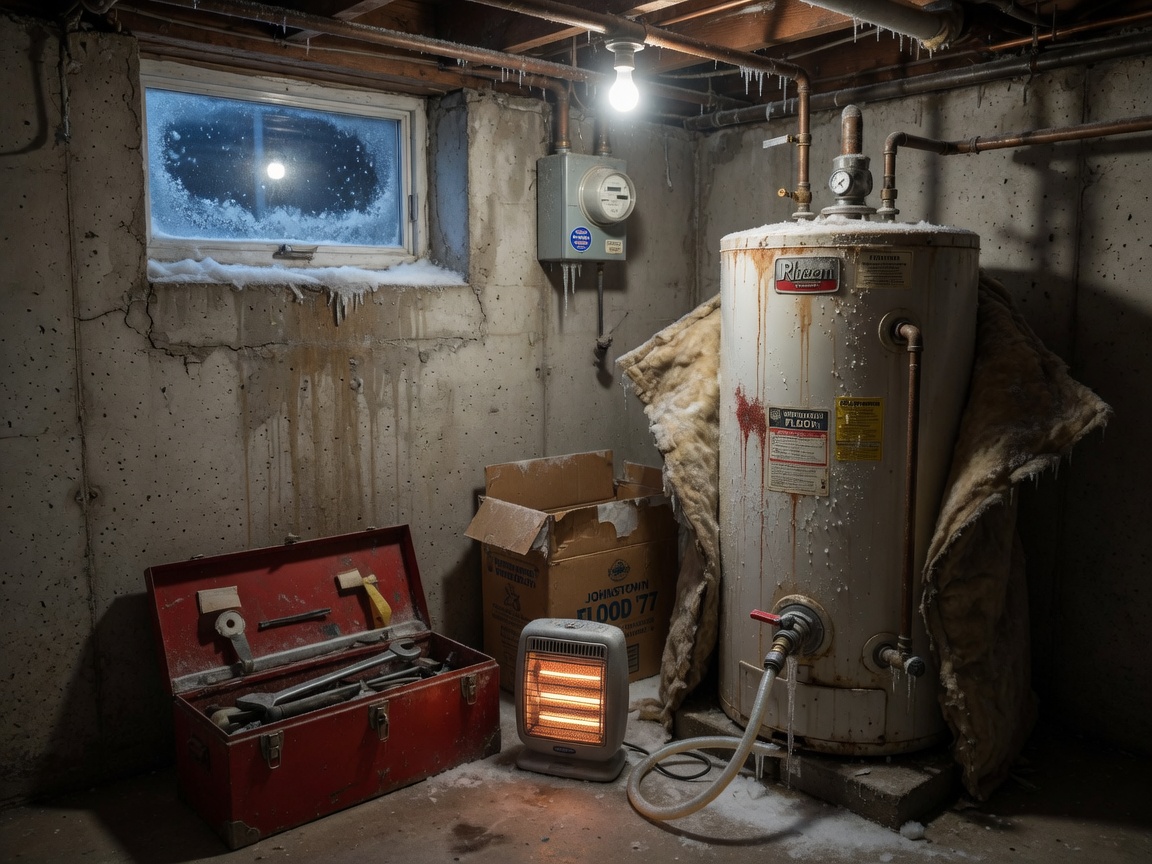
Johnstown water heaters struggle once overnight lows hit the teens primarily due to the significantly colder incoming water temperature, forcing the unit to work overtime to achieve the desired hot water temperature. This increased demand, coupled with potential insulation deficiencies in older homes common in areas like Downtown Johnstown and the surrounding Weld County, can lead to reduced efficiency, slower recovery times, and even premature component failure. The semi-arid climate with hot summers means that while we're used to temperature swings, a sustained deep freeze puts unique stress on systems that are often operating in less-than-ideal conditions, often installed in unheated basements or garages, directly exposed to the cold.
The Impact of Frigid Incoming Water
Think about it: during our hot Johnstown summers, the municipal water supply, often drawn from sources like the Big Thompson River or local reservoirs, is relatively warm. Your water heater doesn't have to expend much energy to bring it up to 120°F or 140°F. However, once those overnight temperatures consistently dip into the teens, as they do frequently in Weld County, the ground freezes deeper, and the water entering your home becomes significantly colder. We're talking about water that might be 35°F–40°F, compared to 55°F–65°F in warmer months. This dramatic drop in starting temperature means your water heater, whether it's a traditional tank or a tankless unit, has to work substantially harder and longer to heat the same volume of water. This prolonged operation can stress heating elements in electric units or burners in gas units, leading to /services/water-heater-not-hot-enough or even complete breakdowns.
Insulation Challenges in Johnstown Homes
Many homes in Johnstown, including those charming older properties near Johnstown Community Park, were built before modern insulation standards were commonplace. Water heaters in these houses are often located in unheated basements, crawl spaces, or garages where ambient temperatures can mirror the frigid outdoors. A water heater, even a well-insulated one, will lose more heat to its surroundings when the air temperature is near freezing. This heat loss means the unit cycles more frequently, consuming more energy and adding to wear and tear. Furthermore, the pipes leading to and from the water heater, if uninsulated, will also contribute to heat loss, requiring the heater to work even harder to maintain temperature at the tap. This is a common factor we see in both Johnstown and nearby /areas/milliken-co.
Sediment Buildup and Reduced Efficiency
Our water in Weld County, while generally good, can still contribute to sediment buildup in tank water heaters over time. This is a year-round issue, but its impact becomes far more pronounced when the water heater is under stress from cold weather. Sediment acts as an insulating layer at the bottom of the tank, preventing the burner or heating elements from efficiently transferring heat to the water. In mild weather, this might just mean slightly higher energy bills. However, when the incoming water is icy cold and the heater is already struggling, a significant layer of sediment can push the unit past its limit, leading to symptoms like /services/hot-water-runs-out-quickly or the water heater making unusual noises. Regular /services/water-heater-maintenance, including flushing sediment, is critical, especially before winter sets in. You can read more about this in our article, "How to Flush Sediment from a Tank Water Heater in Weld County Homes": /blog/how-to-flush-sediment-from-a-tank-water-heater-in-weld-county-homes.
Older Units and Component Fatigue
Just like any appliance, water heaters have a lifespan, typically 8–12 years for traditional tank models. As units age, their components naturally become less efficient and more prone to failure. When an older water heater, perhaps one that's been faithfully serving a home in Johnstown or even up towards /areas/loveland for a decade or more, is suddenly subjected to the extreme demands of heating frigid water day after day, weak links in the system are exposed. Thermostats can become less accurate, heating elements can burn out, and pressure relief valves might start to leak. This is often when we get calls for /services/emergency-water-heater-repair, as the sudden increased workload during a cold snap is the final straw for an aging unit.
Preventing Winter Water Heater Woes
To help your water heater cope with Johnstown's winter teens, consider a few proactive steps. First, ensure your water heater is properly insulated, especially if it's in an unheated space. A water heater blanket can make a significant difference. Second, insulate exposed hot water pipes. Third, schedule professional maintenance to flush sediment and check all components. This can identify potential issues before they become critical. Finally, if your unit is approaching or exceeding its typical lifespan, consider a /services/water-heater-replacement before the coldest months arrive, saving you from a no-hot-water emergency when you need it most. Our team is available Mon–Fri 8am–6pm, Sat 9am–2pm to help you prepare your system for the winter ahead.